
Trezor.io/Start® — Starting Up Your Device | Trezor®
Visit Trezor.io/start for guidance on getting started with Trezor, connecting your device, managing crypto accounts, and exploring wallet features.
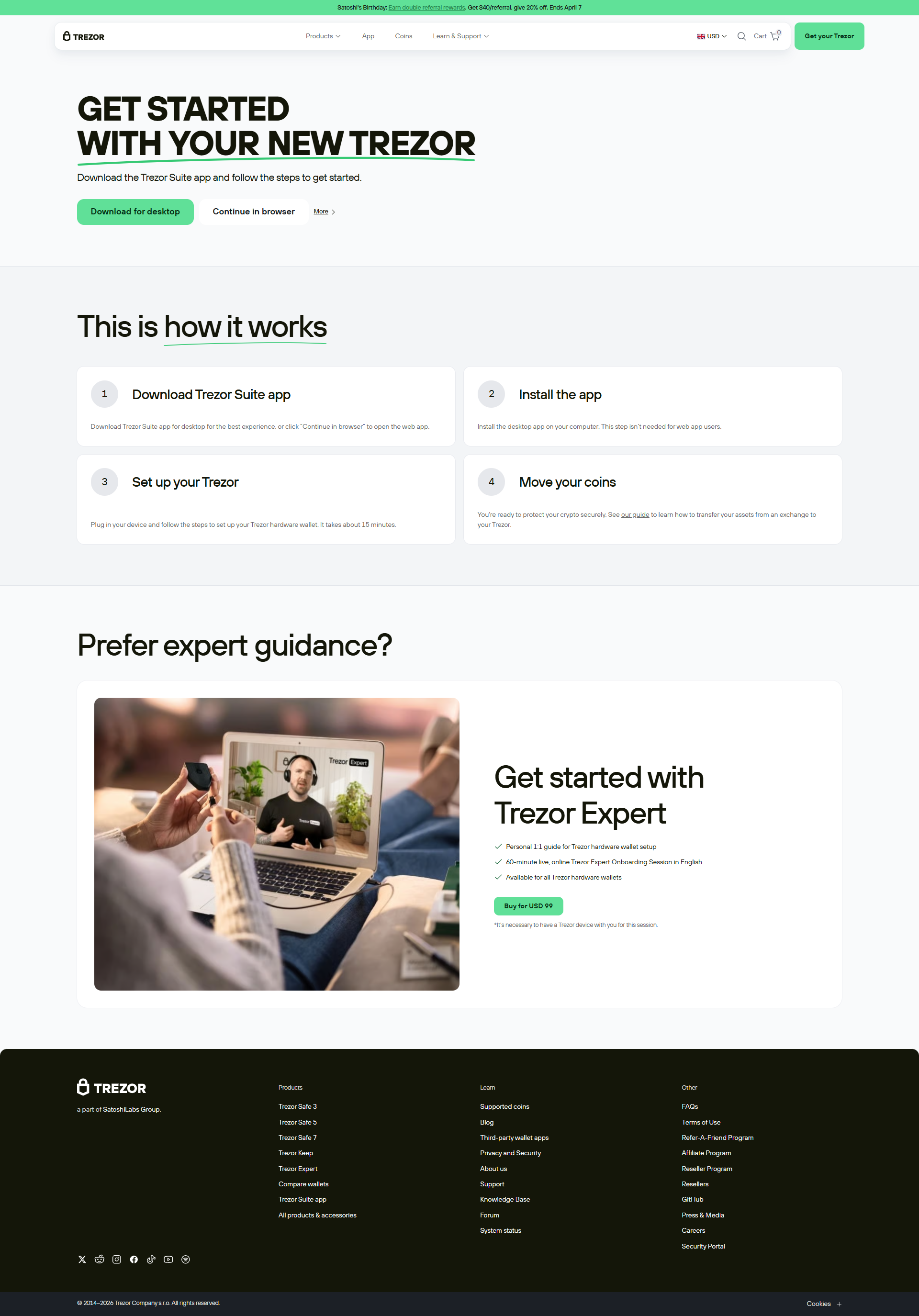
Trezor.io/start: Your Guide to Secure Wallet Setup
Getting a cryptocurrency hardware wallet ready for the first time is an important part of learning self-custody. Trezor.io/start serves as a starting point for users who want to configure a Trezor device and understand the basics of managing digital assets with dedicated hardware.
A careful setup can help you become familiar with your wallet before you begin sending or receiving cryptocurrency.
Begin With the Right Setup Process
Start by visiting the official Trezor setup resources and following the instructions for your device. Use the recommended software and avoid downloading wallet applications from unfamiliar websites.
During configuration, read each instruction carefully. Your device may display important information that should be checked directly on the hardware before you continue.
Once the setup is complete, you can connect your wallet to the appropriate software and explore the supported features.
Explore Your Wallet
Depending on the cryptocurrency and services supported by your setup, you may be able to:
- View supported asset balances
- Create or manage wallet accounts
- Send cryptocurrency
- Receive digital assets
- Review transaction activity
- Manage assets through Trezor Suite
- Confirm transactions using your Trezor device
Feature availability can change, so always refer to current Trezor documentation for the assets and services you plan to use.
Benefits of Trezor Setup
One benefit of a dedicated hardware wallet is that it provides a physical environment for handling sensitive wallet operations. It also encourages users to pay attention to transaction approvals rather than relying entirely on information displayed on a computer.
For newcomers, following the setup process step by step can make self-custody concepts easier to understand.
Keep Your Recovery Seed Safe
Your recovery seed is one of the most sensitive parts of your wallet. Anyone who obtains it may potentially gain access to the associated wallet.
Keep the seed private and stored securely offline. Never send it through email or messaging apps, upload it to cloud storage, or enter it into an unfamiliar website.
Be careful with fake support messages as well. Legitimate-looking branding does not automatically make a website or account trustworthy.
Verify Transactions Carefully
Before approving a crypto transfer, check the destination address and amount. When the transaction details appear on your Trezor device, review them carefully before confirming.
This simple habit can help reduce errors and make you more aware of what you are authorizing.
FAQs
What is Trezor.io/start used for?
It is a starting point associated with setting up a Trezor hardware wallet and accessing setup guidance.
Can beginners use Trezor?
Yes. Following the official setup instructions step by step can help new users understand the device and wallet workflow.
Should I store my recovery seed online?
No. Keep it private and securely stored offline.
Can a hardware wallet prevent every crypto scam?
No. Users still need to recognize phishing attempts, fraudulent websites, suspicious messages, and potentially malicious transactions.
Conclusion
Trezor.io/start provides a useful starting point for learning how to configure a Trezor device and begin using crypto self-custody. Take your time during setup, use trusted software, protect your recovery seed, and verify transaction details before approval.
Good security habits developed at the beginning can become part of your everyday crypto routine.
Additional Resources
- Trezor setup guidance
- Trezor Suite resources
- Hardware wallet security education
- Recovery seed protection
- Transaction verification guidance
Updated about 6 hours ago